


GP education · Prostate care
GP urology update: LUTS assessment, effective referrals, Rezūm and Aquablation
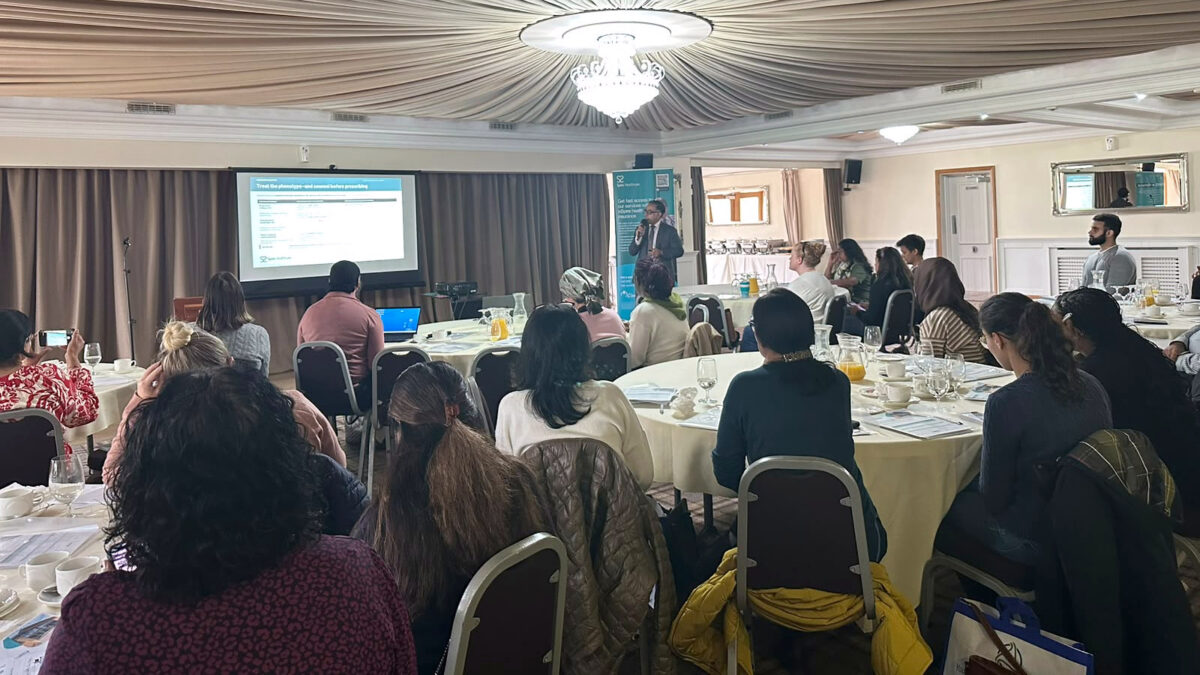
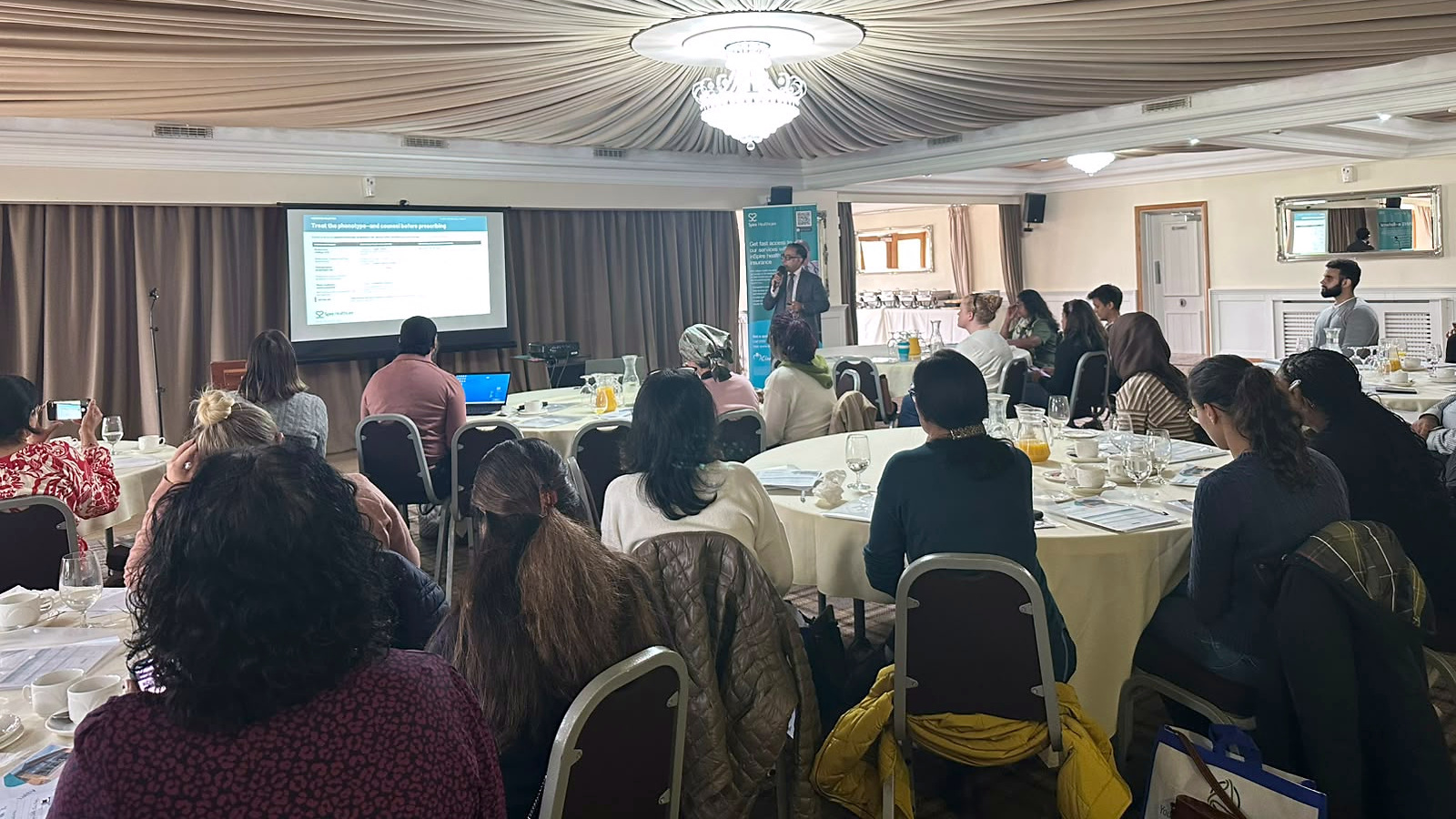
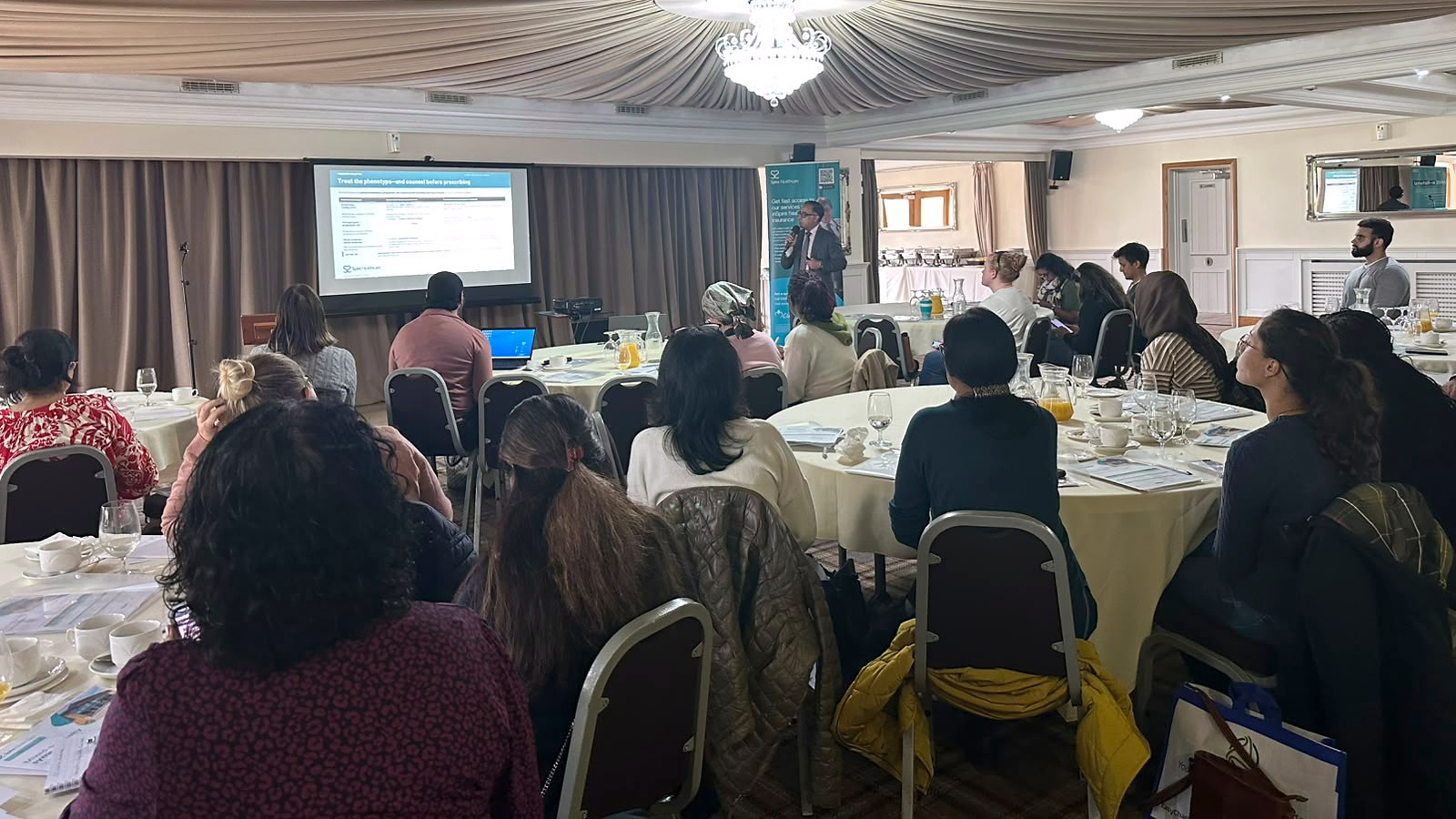
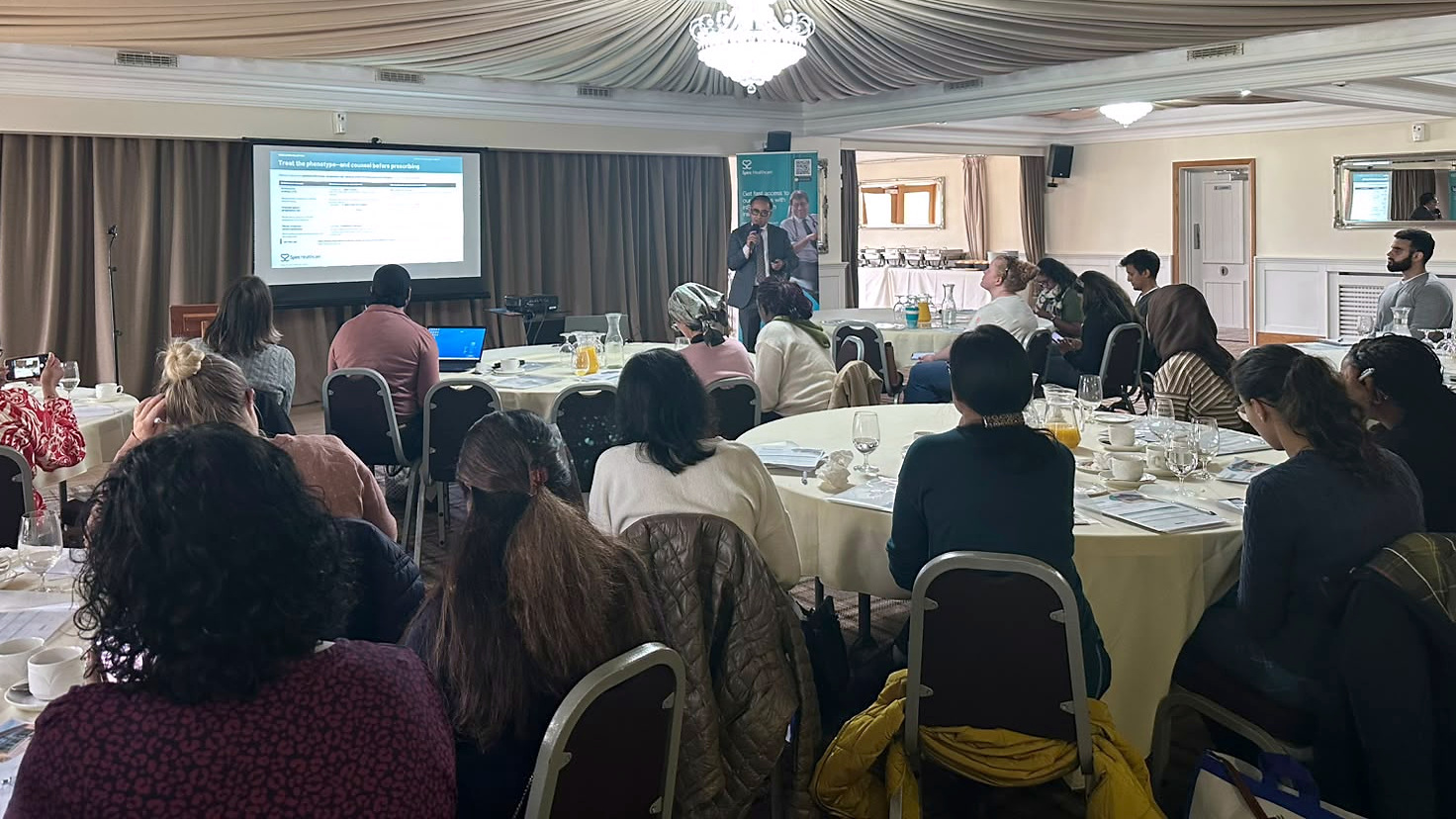
Mr Syed Ali Shahzad, Consultant Urological and Robotic Surgeon at Birmingham Advanced Urology, addressed general practitioners at an education event covering lower urinary tract symptoms (LUTS), effective referrals and developments in treatment for benign prostatic hyperplasia (BPH).
The session connected a structured approach to assessment with clear referral information and coordinated management. Rezūm and Aquablation attracted particular interest, including their techniques and potential benefits for sexual function, recovery and continence—issues that matter to men considering treatment for an enlarged prostate.
Looking beyond urinary flow
BPH is a non-cancerous increase in prostate tissue that can enlarge the gland and obstruct urine flow. Symptoms may include a weak stream, difficulty starting, a feeling of incomplete emptying, urgency or frequent trips to the toilet. These problems can affect sleep, work and confidence.
For a man weighing up treatment, the questions often extend beyond symptom relief: how might a procedure affect intimacy, bladder control or time away from everyday activities? Bringing those priorities into the conversation helps patients make a choice that fits their circumstances.
GP assessment is an important starting point. Urinary symptoms do not always come from the prostate; bladder problems and other conditions may contribute. An individual assessment helps establish the cause and whether monitoring, medicines or a procedure is appropriate. Explore BPH symptoms and assessment.
LUTS assessment: understanding the symptom pattern
LUTS describes problems with storing or passing urine, or symptoms after urination. Assessment should establish which symptoms are most troublesome, how long they have been present and their effect on daily life. Night-time urination, for example, may have several causes and should not automatically be attributed to an enlarged prostate.
Initial assessment includes a medical and medication history, examination including the abdomen, external genitalia and digital rectal examination, and a urine dipstick test. Discuss the benefits and limitations of prostate-specific antigen (PSA) testing where indicated and check kidney function if renal impairment is suspected. NICE guidance on initial assessment.
A frequency–volume chart helps men with bothersome symptoms record when and how much they pass urine. A validated symptom score, such as the International Prostate Symptom Score (IPSS), provides a baseline when considering treatment and helps assess change. NICE quality standards and symptom-score recommendation.
Effective referrals: the information that makes a difference
A useful referral sets out the clinical question and why specialist input is needed. Where available, include:
- The main symptoms, duration, impact on quality of life and the patient’s priorities.
- Symptom scores or bladder diaries, relevant examination findings and dated test results.
- Treatments already tried, their duration, response and side effects.
- Current medicines, relevant medical conditions, previous urological procedures and any episodes of retention or infection.
NICE advises specialist referral for bothersome symptoms despite conservative or drug treatment, or complications such as recurrent or persistent urinary infection, retention, suspected related renal impairment or possible urological cancer. NICE referral recommendations.
Acute inability to pass urine needs immediate medical assessment; suspected cancer requires the appropriate urgent pathway. Urgent care must not wait for a complete referral checklist.
Streamlining management from assessment to treatment
Sharing existing results and a clear referral question can help the receiving team prioritise care and plan the next appointment, reducing avoidable repetition. A coordinated pathway helps focus each appointment on the decisions or investigations still needed.
Urinary flow-rate measurement and post-void residual assessment—the urine left in the bladder after voiding—are offered at specialist assessment. They are not routine prerequisites for a GP referral. Routine cystoscopy and upper-tract imaging are also unnecessary at initial assessment of uncomplicated LUTS; further tests should answer a clinical question. NICE specialist-assessment quality standard and initial-assessment guidance.
An agreed plan should explain the working diagnosis, treatment options, who will arrange any further tests and how symptoms and treatment response will be reviewed. This connects effective referral with individualised decisions about medicines or procedures, including Rezūm and Aquablation where suitable.
Rezūm: water-vapour treatment for selected patients
Rezūm delivers controlled injections of water vapour into obstructing prostate tissue. The treated tissue gradually shrinks, allowing more space for urine to pass.
It can be an option for suitable men who want relief from urinary symptoms while limiting the risk of sexual side effects. NICE’s evidence review describes a low risk to sexual function, although changes in ejaculation can still occur. Preservation is an important consideration, rather than a guarantee for every patient. NICE evidence review.
Treatment is commonly performed as a day case, with a temporary catheter for several days. Urinary improvement develops over weeks to months, so going home quickly is different from achieving the full benefit of treatment. BAUS patient information.
Aquablation: imaging and robotic assistance
Aquablation uses imaging and robotic assistance to guide a water jet that removes obstructing prostate tissue. The treatment is planned around the size and shape of the prostate.
One reason for interest is its potential to preserve ejaculation. In a randomised trial comparing Aquablation with transurethral resection of the prostate (TURP), procedure-related ejaculatory dysfunction was less frequent after Aquablation. The finding supports an informed discussion of the options; it does not establish that Aquablation is best for every patient or guarantee an individual outcome. Five-year WATER trial report.
Hospital stay, catheter duration and return to activities vary. Bleeding, infection, changes in ejaculation and urinary-control problems remain possible, and each patient needs a recovery plan. BAUS Aquablation information.
Sexual function, continence and recovery: an individual discussion
Preserving quality of life is a key treatment goal. Erections and ejaculation are different outcomes and should be discussed separately. Temporary urgency or leakage after treatment is also different from persistent incontinence.
Short hospital stays and a return to usual activities can be possible in suitable patients, but neither procedure guarantees faster recovery or unchanged sexual function and bladder control. Prostate anatomy, bladder function, general health and the demands of a person’s work all influence expectations.
Rezūm and Aquablation sit within a wider range of options. Monitoring, lifestyle measures, medicines, TURP and laser surgery such as HoLEP may be appropriate in different circumstances. The aim is to match treatment to the person, with a clear explanation of likely benefits, risks and the possibility of further treatment.
Connecting GP education with patient care
The session brought together three connected priorities: assessing LUTS accurately, making effective referrals and discussing modern treatments in the context of each patient’s goals. The interest in Rezūm and Aquablation reinforced the value of considering sexual function, continence and recovery alongside symptom relief.
For patients and referring GPs, Birmingham Advanced Urology offers consultant-led assessment of troublesome urinary symptoms and enlarged-prostate treatment options across Birmingham, Worcestershire and the West Midlands. Clear communication between the patient, GP and specialist supports a coordinated plan from initial assessment through treatment and follow-up.
Enquiries and referrals
To discuss an appointment with Mr Syed Ali Shahzad, contact Yasmin Khan, his secretary:
- Telephone: 07866 009874
- Email: Yasmin.Khan@hcaconsultant.co.uk
- Request an appointment or make a referral enquiry
This article provides general information. Treatment suitability, benefits and risks require individual assessment.