Mr Syed Ali Shahzad is a Consultant Urological and Robotic Surgeon in Birmingham. This profile summarises his GMC registration, urology qualifications, clinical leadership roles and specialist interests in prostate, kidney and bladder care.
A short video introduction for patients who want to learn more about Mr Syed Ali Shahzad before arranging a private urology appointment.
In consultation
A structured, consultant-led approach
Mr Shahzad’s consultations are built around careful assessment, review of relevant investigations and a plain-English discussion of diagnosis, treatment options and follow-up.
Review of previous results and hospital correspondence.
Imaging-led discussion where MRI, CT or ultrasound scans are relevant.
Clear advice on whether treatment, monitoring or further tests are needed.
Mr Shahzad’s profile includes peer-reviewed publications, clinical education and international urology affiliations alongside his consultant practice. This helps show the depth of specialist experience behind his prostate, bladder, kidney and men’s health work.
Natural course of low-risk non-muscle-invasive bladder cancers: a 10 year follow-up and comparative study to European Association of Urology
A Sultana, D Patel, S A Ehsanullah, S A Shahzad. European Urology Open Science, 31(S1), S4, 2021. DOI: 10.1016/S2666-1683(21)00168-3.
European Urology Open Science abstract comparing local low-risk non-muscle-invasive bladder cancer outcomes with European Association of Urology predicted rates.
The Role of Active Surveillance in the Management of Early Prostate Cancer and the Impact of the NICE Guidelines
J Boddy, N Lai, C Lynch, S A Shahzad, A P Doherty, D M A Wallace, R I Bhatt. British Journal of Medical and Surgical Urology, 3(3), May 2010. DOI: 10.1016/j.bjmsu.2009.12.003.
Publication on active surveillance for early prostate cancer and the impact of NICE guidance on management decisions.
MP44-02 Strictures following ureteroscopic lasertripsy: risk factors and treatment
Syed Ali Shahzad, United Kingdom.
Selected academic work in endourology, focused on ureteric strictures following ureteroscopic stone treatment and factors involved in management.
Tricky ten minutes: what can I do to stop these attacks of cystitis?
Pulse clinical education article, 23 May 2013.
GP-facing clinical education contribution on recurrent cystitis, listed by Pulse with Mr Ali Shahzad as specialist registrar in urology, West Midlands Training Programme.
Fellow Royal College of Surgeons of England (RCS Eng)
Fellow of European Board of Urology (FEBU)
Member Royal College of Surgeons Edinburgh (RCS Ed)
Member British Association of Urological Surgeons (BAUS)
Member Societe Internationale d’Urologie (SIU)
Member European Association of Urology (EAU)
Member American Urological Association (AUA)
Regional Fellow Royal Society of Medicine (RSM)
Member British Medical Association (BMA)
Member Endourology Society
Publication and affiliation information is provided for professional background only. It is not a substitute for personalised medical advice.
Clinical teams and technology
Real clinical practice, specialist urology teams
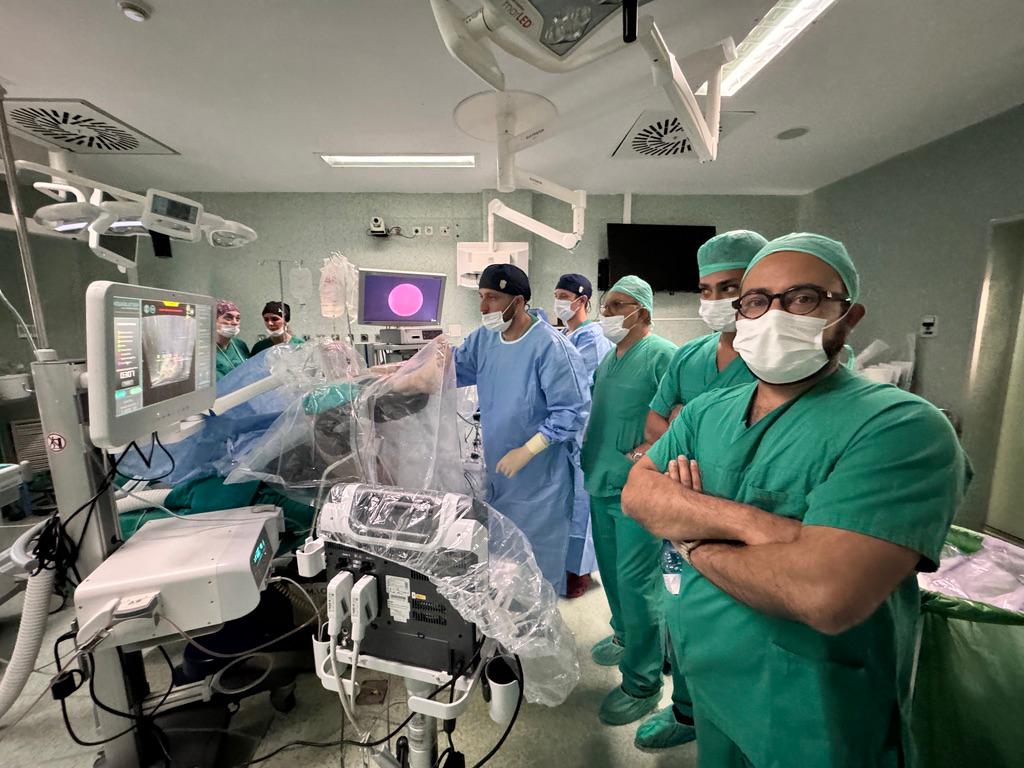
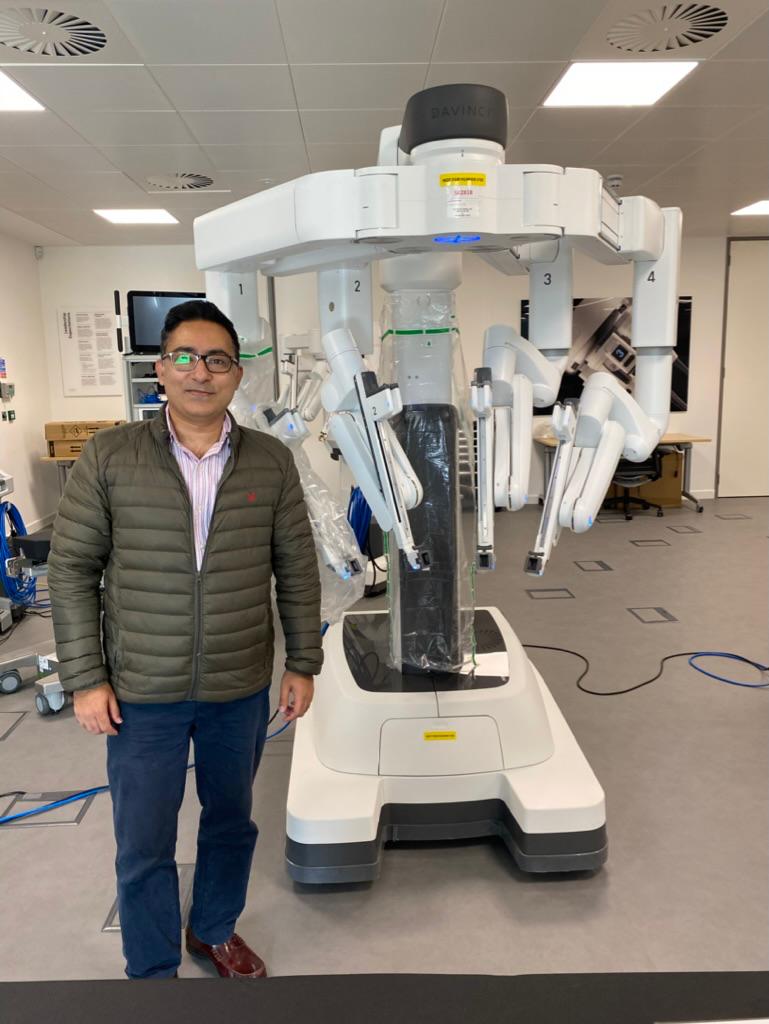
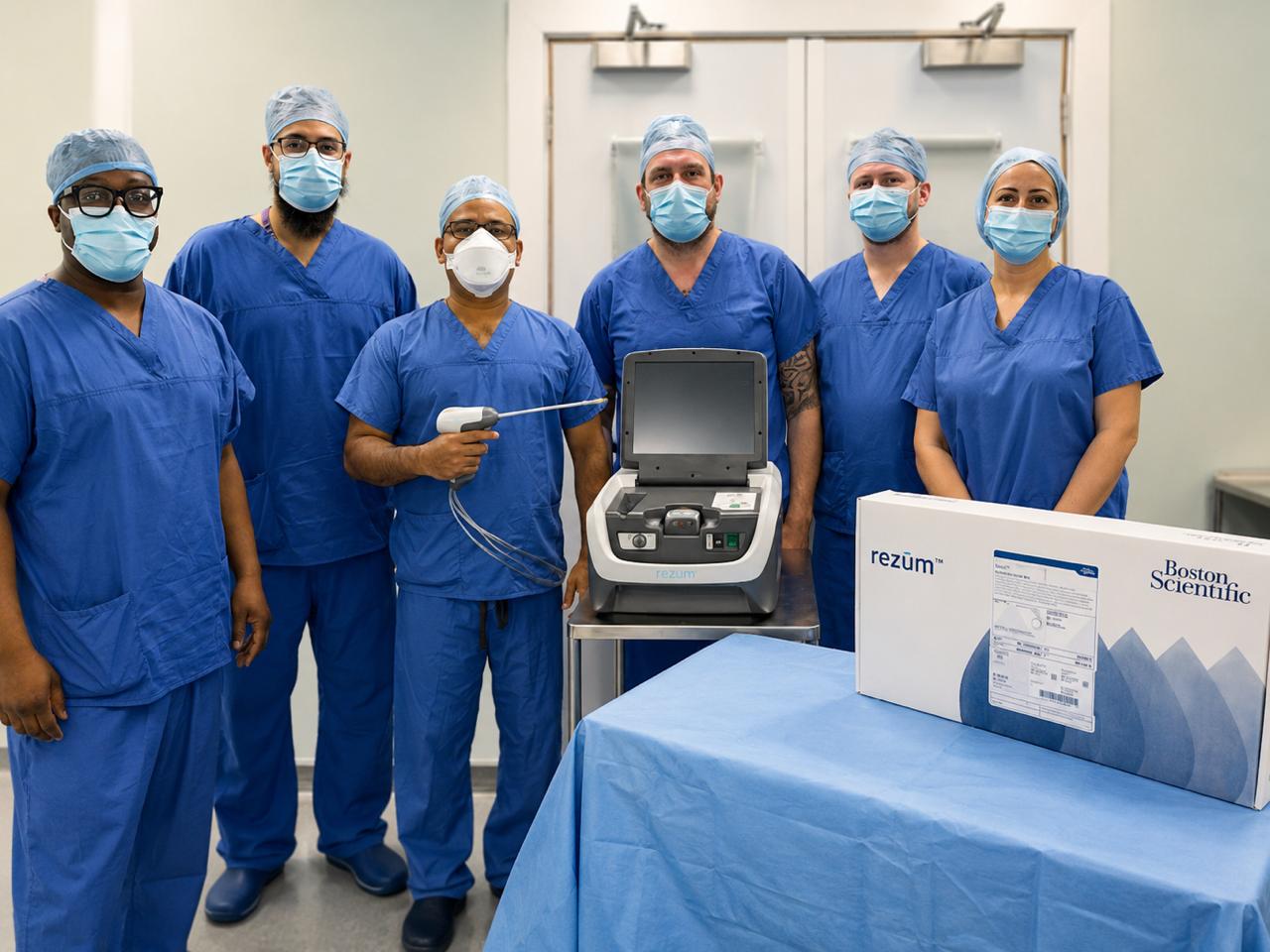
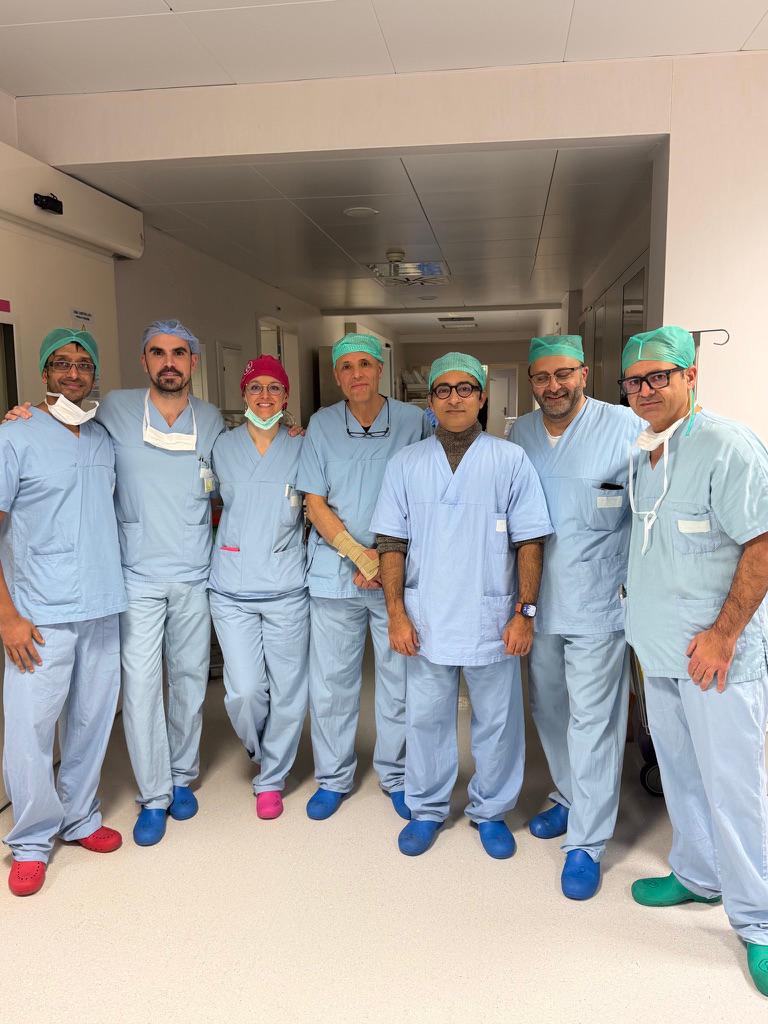
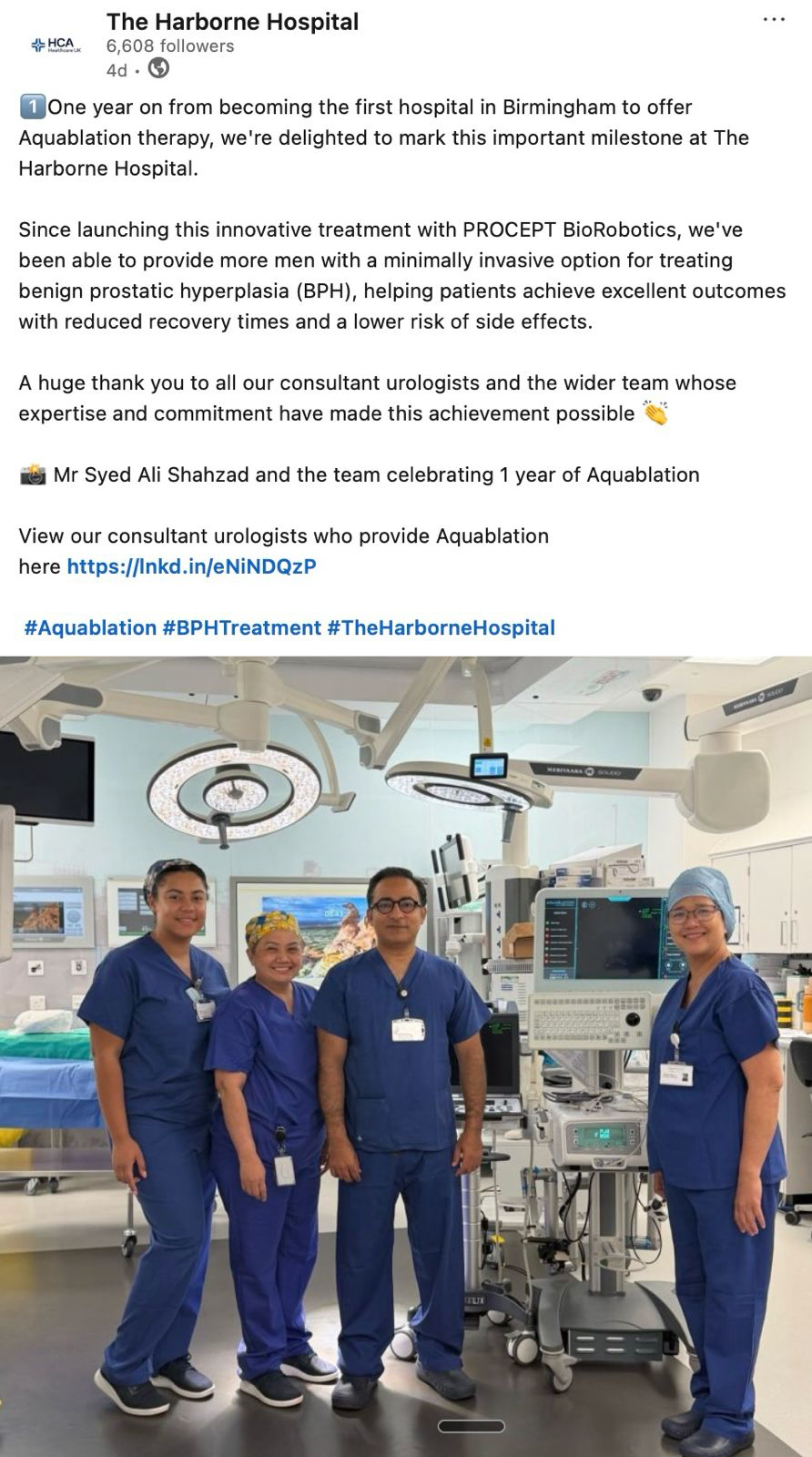
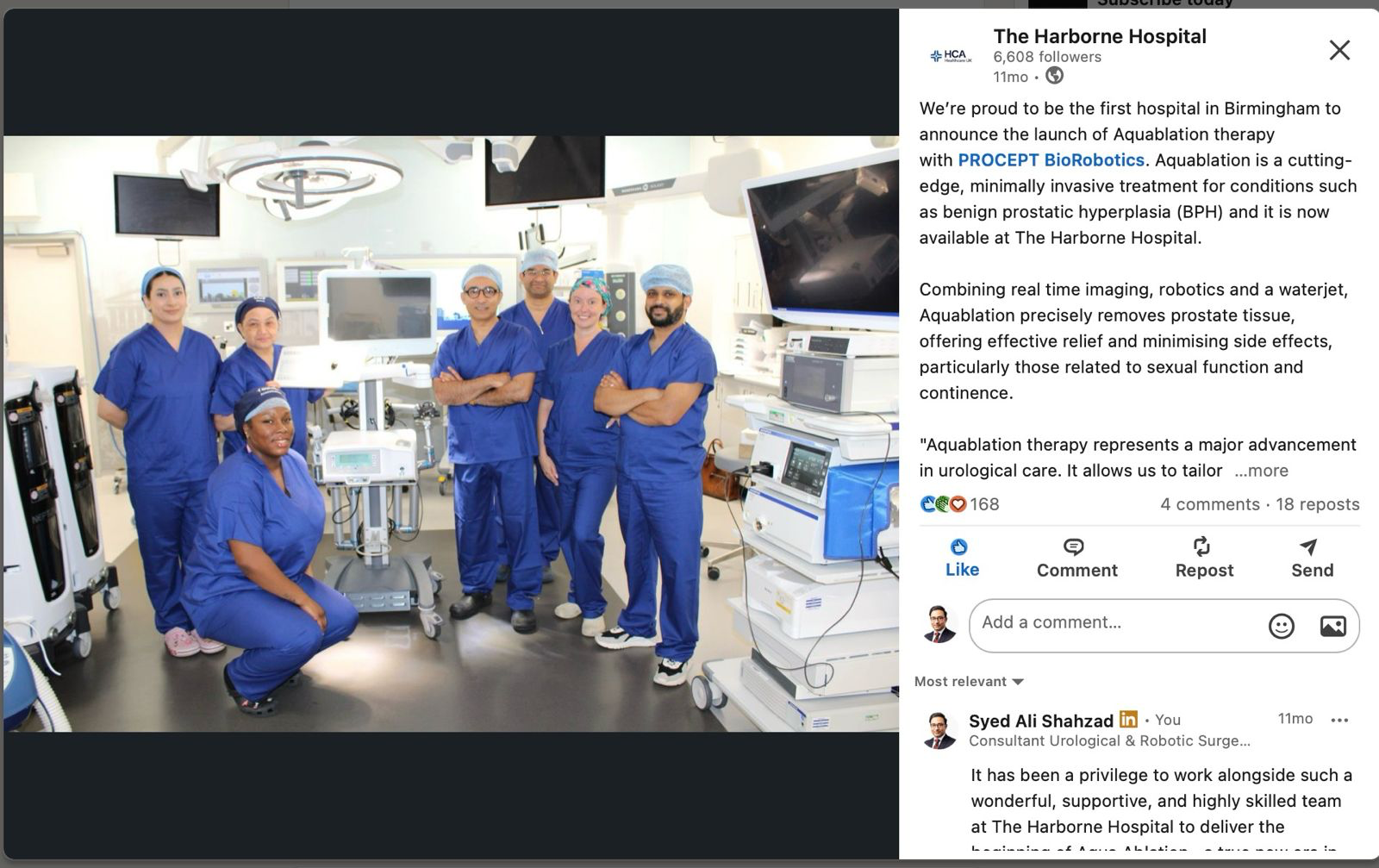
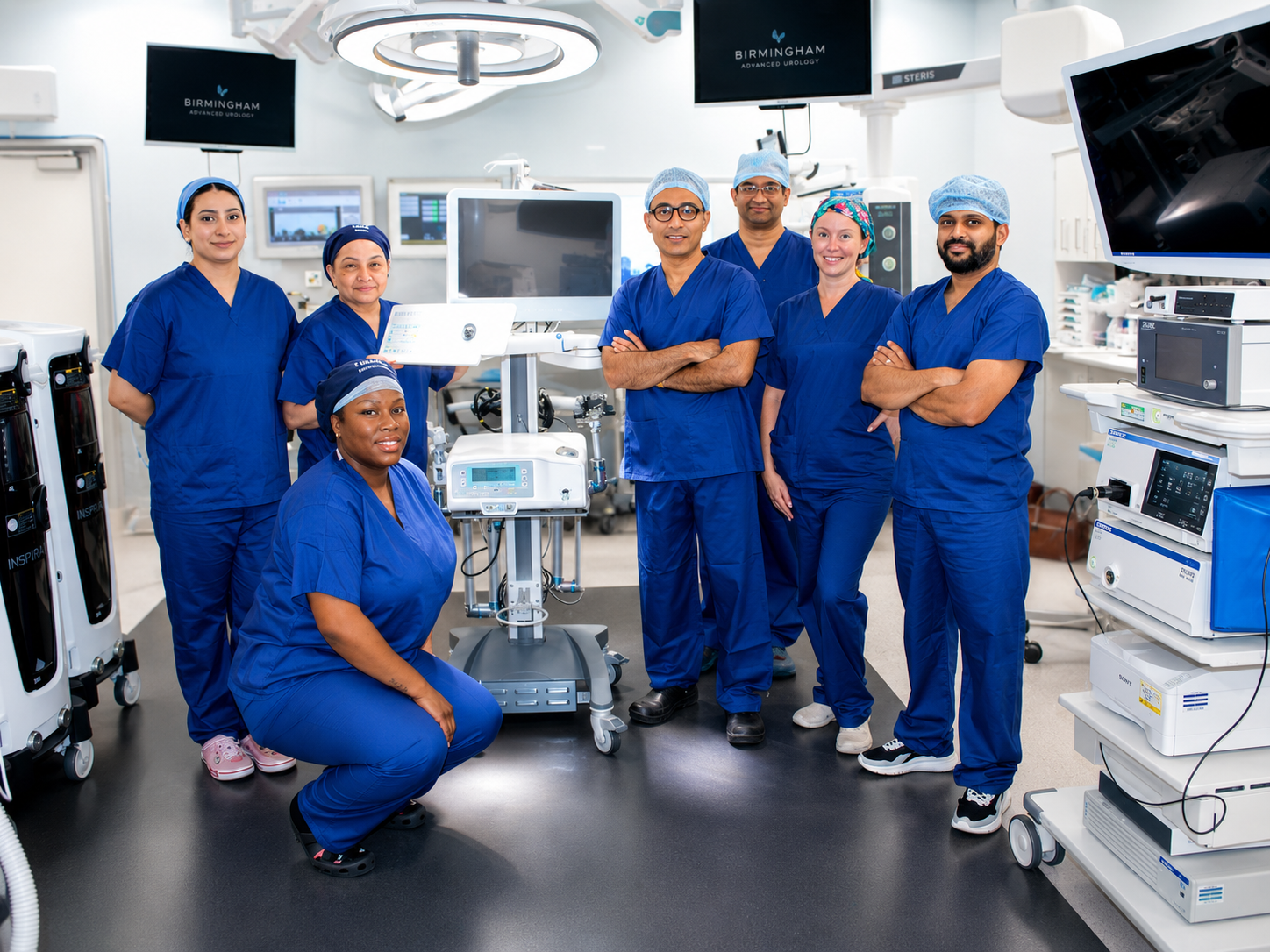
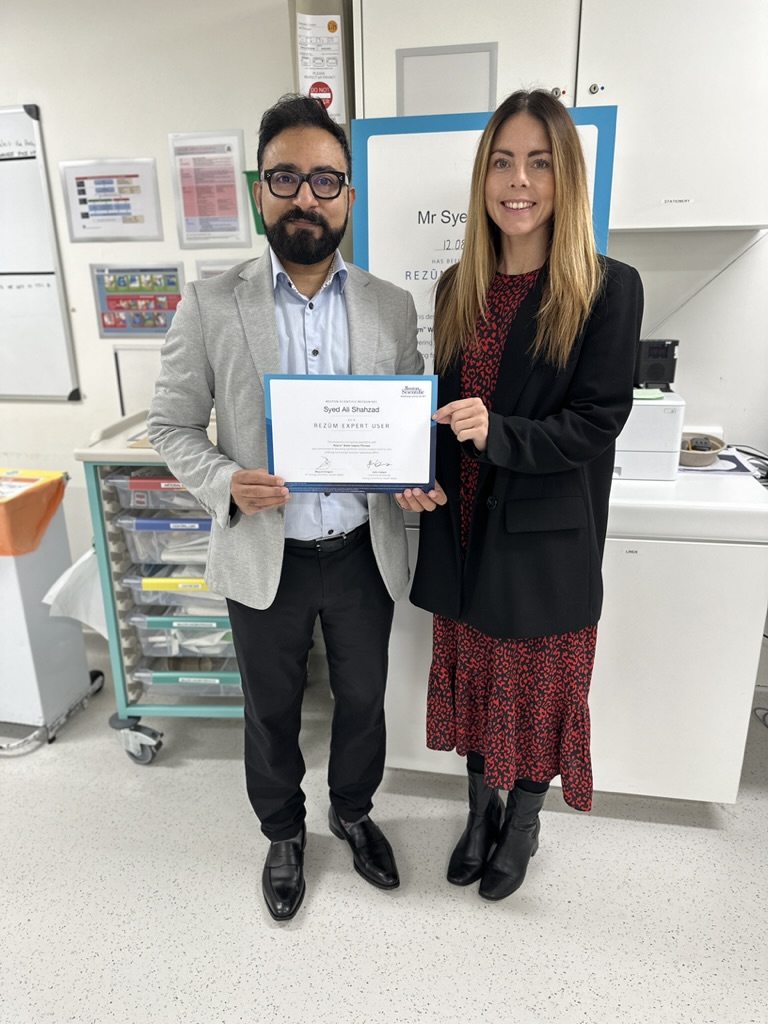
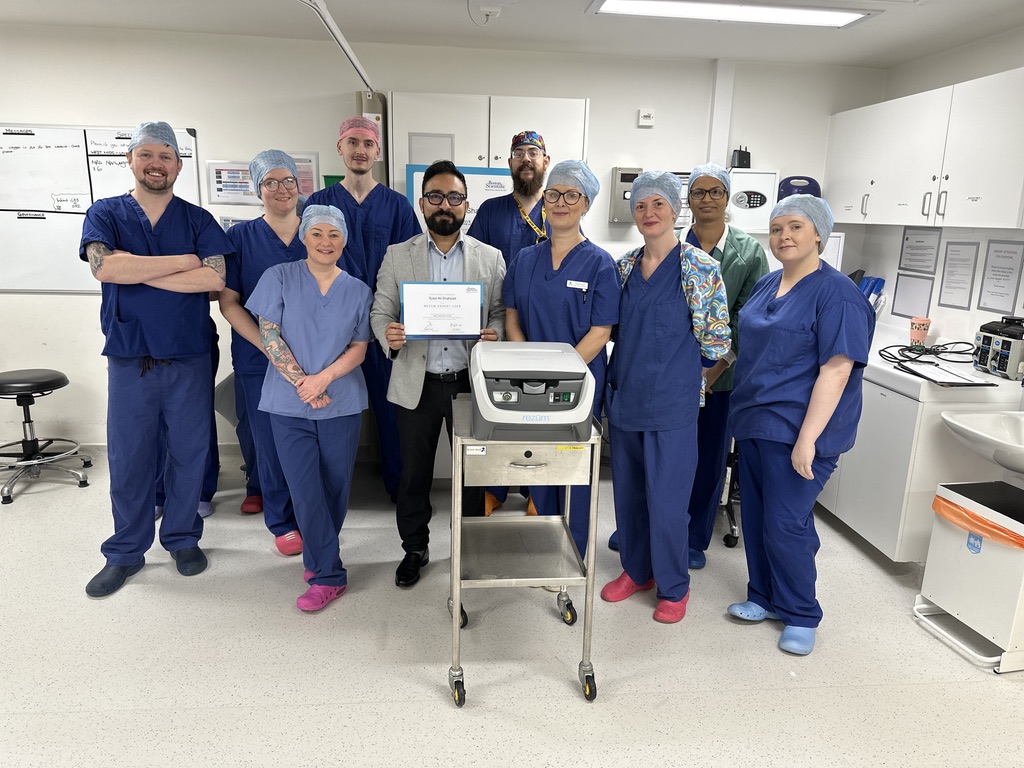
These images show Mr Shahzad’s work with urology teams, robotic theatre technology and prostate treatment equipment across specialist clinical settings.
Robotic theatre team and minimally invasive surgical technologyExperience with da Vinci robotic surgical systemsRezum treatment equipment and trained clinical teamUrology team recognition and service developmentRobotic urology learning and collaboration with specialist teams
Clinical milestone
Aquablation at The Harborne Hospital
The Harborne Hospital’s published updates document the launch of Aquablation in Birmingham and the team’s one-year milestone. Mr Shahzad is pictured with the specialist theatre teams involved in the service.
One year of Aquablation at The Harborne Hospital Aquablation service launch in Birmingham
Robotic-assisted surgery for selected urology procedures
Robotic platforms can support precise minimally invasive surgery for selected kidney and urology conditions. Mr Shahzad discusses whether a robotic approach is suitable after careful assessment, imaging review and consultant-led planning.
Clinical practice
Specialist urology in a modern theatre setting
These images show Mr Shahzad’s work with theatre teams and specialist urology technology, supporting his clinical focus on minimally invasive and robotic urology.
Robotic theatre team and specialist equipmentRezum expert user recognitionClinical team training and treatment support
Consultant Urological and Robotic Surgeon
Qualifications, experience and specialist interests
FRCS Urol | FEBU | GMC 6071731
Mr Shahzad is a GMC registered specialist urologist with FRCS Urol and FEBU qualifications. His work includes consultant-led assessment, minimally invasive urology and robotic surgery for selected prostate, kidney and bladder conditions.
Patients can read this page to understand his background, credentials and areas of clinical focus before choosing the relevant condition or treatment page.
GMC 6071731
Registered specialist urologist with the General Medical Council.
FRCS Urol | FEBU
Fellowship and European Board of Urology qualifications.
26 years of experience
Extensive urology experience across NHS and private practice.
Senior Clinical Lecturer
Academic role with the University of Birmingham.
Clinical Service Lead
Leadership experience across specialist urology services.
Robotic Renal Service Lead
Robotic kidney surgery expertise and service leadership.
Clinical interests
Prostate enlargement, raised PSA, prostate cancer pathways, kidney stones, kidney cancer, hydronephrosis, haematuria, bladder cancer investigation, overactive bladder and recurrent urinary symptoms.
Appointments
Appointments are available for self-pay and insured patients across Birmingham, Worcestershire and the West Midlands. No GP referral is required for self-pay patients.
Mr Syed Ali Shahzad provides consultant-led assessment for raised PSA, suspected prostate cancer and confirmed prostate cancer, including review of MRI, biopsy results, staging information and treatment options.
The information on this website is for general information only and should not replace medical advice from a qualified clinician. If you are experiencing severe pain, heavy bleeding, inability to pass urine, fever with urinary symptoms or symptoms requiring urgent attention, seek urgent medical help through NHS 111, your GP, A&E or emergency services depending on severity.