

Bladder care

Bladder Cancer

Consultant-led assessment and treatment planning with Mr Syed Ali Shahzad, Consultant Urological and Robotic Surgeon.

Short-notice appointments may be available
For urgent or last-minute appointment enquiries, please call the relevant secretary team so availability can be checked quickly. Timing is subject to hospital and clinical availability.

Bladder Cancer Diagnosis and Treatment in Birmingham

Bladder cancer is the fourth most common cancer in men and the tenth most common in women in the UK, with around 10,000 new cases diagnosed each year. When detected early, the majority of bladder cancers are highly treatable. Mr Syed Ali Shahzad, Consultant Urological and Robotic Surgeon, provides expert bladder cancer diagnosis, staging and treatment at private hospitals across Birmingham.

Types of Bladder Cancer

Over 90% of bladder cancers are transitional cell carcinomas (urothelial carcinomas) arising from the cells lining the bladder. They are classified as:

  • Non-muscle-invasive bladder cancer (NMIBC): The tumour is confined to the inner lining of the bladder. This accounts for around 75% of cases and is treated by TURBT with or without intravesical therapy (BCG or mitomycin C instilled directly into the bladder).
  • Muscle-invasive bladder cancer (MIBC): The tumour has grown into the bladder muscle, requiring more aggressive treatment, typically radical cystectomy (surgical removal of the bladder) or radiotherapy combined with chemotherapy.

Risk Factors

  • Smoking (the single most important risk factor)
  • Occupational exposure to certain chemicals (aniline dyes, rubber, textiles)
  • Increasing age
  • Previous bladder cancer
  • Chronic bladder irritation or recurrent infections

Symptoms

The most common symptom is painless blood in the urine (haematuria). Other symptoms include urinary frequency, urgency and, occasionally, pain on urination. Any unexplained blood in the urine should be investigated promptly.

Diagnosis and Staging

Investigation includes urine tests (including cytology), flexible cystoscopy to directly visualise the bladder, CT urogram and, when a tumour is found, surgical staging with TURBT under general anaesthetic.

Treatment

Treatment depends on the cancer stage and grade. Mr Shahzad’s bladder cancer services include TURBT, intravesical bladder instillation therapy (BCG and chemotherapy), radical cystectomy and coordination of oncological treatments through the multidisciplinary team. He chairs cancer MDT meetings at Dudley Group of Hospitals NHS Trust and is a Principal Investigator in national bladder cancer research trials.

Book a Bladder Cancer Consultation in Birmingham

Any unexplained blood in the urine requires urgent assessment. No GP referral is required. Mr Shahzad is recognised by BUPA, AXA, AVIVA, Vitality, Cigna and WPA. Book an appointment or contact us today.
Need urgent help?

If you are experiencing severe pain, heavy bleeding, inability to pass urine, fever with urinary symptoms or symptoms requiring urgent attention, seek urgent medical help through NHS 111, your GP, A&E or emergency services depending on severity.

Request a private appointment

About the author: This page is written and clinically reviewed by Mr Syed Ali Shahzad, a private urology consultant in Birmingham. Get in touch with the clinic to arrange an assessment.

Mr Shahzad’s clinical approach

Treatment decisions begin with accurate grade and stage

Cystoscopy can identify an abnormality, but treatment planning depends on tissue diagnosis from TURBT, tumour grade, depth and appropriate imaging. These findings determine whether surveillance, bladder treatment, repeat surgery or multidisciplinary cancer care should be discussed.

Illustrative care pathway

  1. Examine the bladder and obtain tissue where required
  2. Combine pathology with imaging and clinical risk
  3. Agree surveillance, treatment or multidisciplinary review
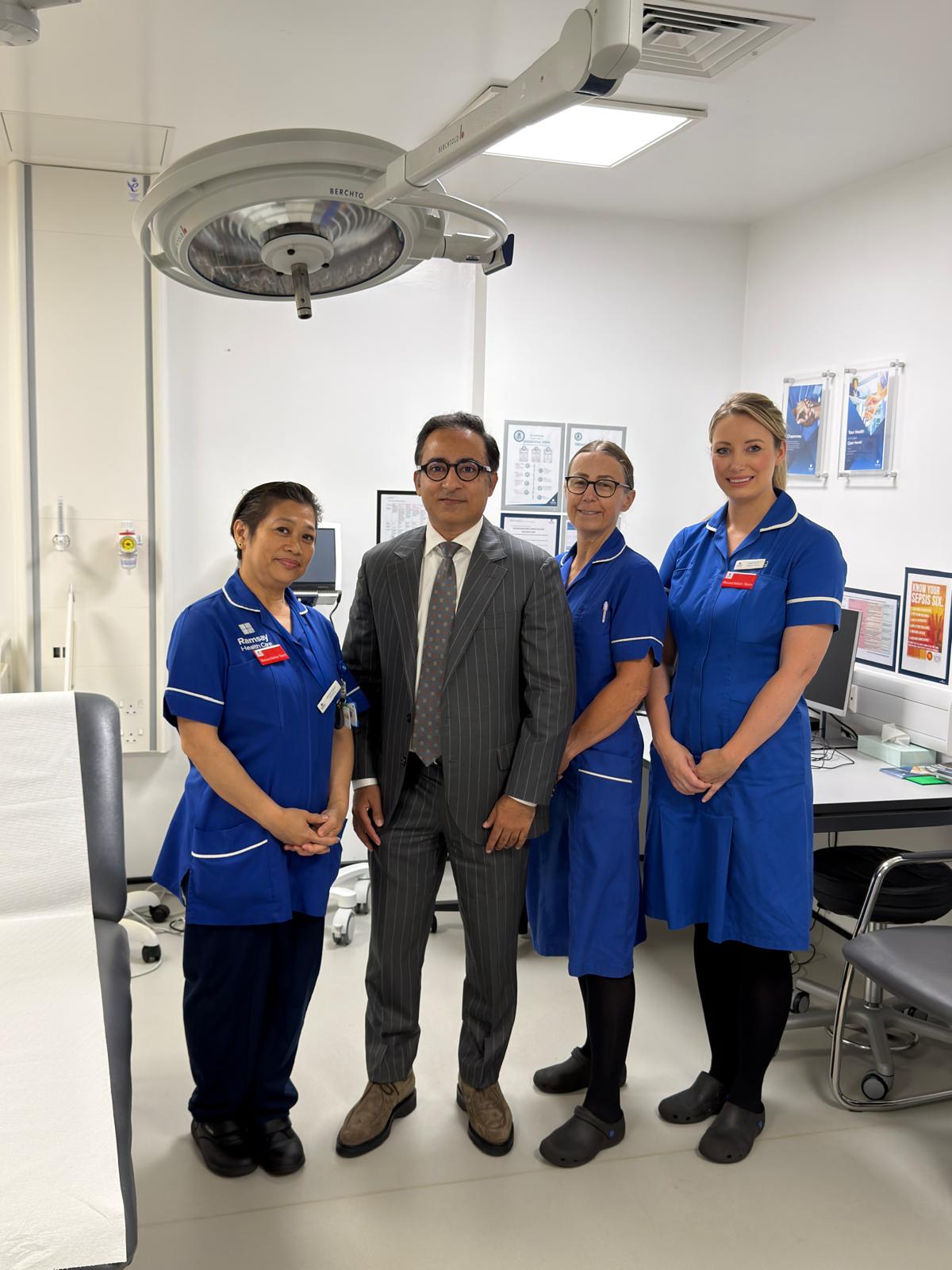
Mr Syed Ali Shahzad with the bladder clinic nursing team
Mr Shahzad with members of the bladder clinic team.

Context: This is an illustrative pathway, not an individual patient case or personal medical recommendation. The sequence changes according to clinical findings and patient circumstances.

Patient decision guide

Bladder cancer assessment and treatment decisions

The treatment plan depends chiefly on pathology, tumour grade, depth, imaging and whether disease is confined to the bladder.

Establish the diagnosis

Cystoscopy identifies bladder abnormalities and TURBT provides tissue so the tumour can be graded and staged.

Non-muscle-invasive disease

Surveillance cystoscopy, repeat TURBT or bladder instillation treatment may be discussed according to recurrence and progression risk.

Muscle-invasive or complex disease

Major surgery, chemotherapy, radiotherapy or combined oncology pathways may require multidisciplinary planning.

Second opinions and follow-up

Existing pathology, imaging and treatment recommendations can be reviewed to clarify choices and the next stage of care.

Bladder-cancer recommendations should be based on complete pathology and staging information. A consultation cannot replace urgent cancer-pathway care already underway.

Your care pathway

Bladder cancer diagnosis and treatment pathway

Bladder cancer care commonly moves from haematuria assessment to cystoscopy, tumour sampling and risk-based treatment planning.

1

Initial assessment

Review blood in urine, urinary symptoms, risk factors and previous test results.

2

Cystoscopy and imaging

The bladder is examined and upper urinary-tract imaging may be arranged where appropriate.

3

Tissue diagnosis

TURBT removes or samples visible bladder tumour so pathology can establish type, grade and depth.

4

Risk-based treatment

Further bladder treatment, surveillance, oncology input or major surgery may be discussed according to stage and grade.

Birmingham Advanced Urology
Private consultant urology care in Birmingham, Worcestershire and the West Midlands.

Mr Syed Ali Shahzad
Consultant Urological and Robotic Surgeon
GMC: 6071731

Appointments and enquiries
Yasmin Khan, Secretary
Yasmin.Khan@hcaconsultant.co.uk
+44 7866 009874
Message on WhatsApp

The information on this website is for general information only and should not replace medical advice from a qualified clinician. If you are experiencing severe pain, heavy bleeding, inability to pass urine, fever with urinary symptoms or symptoms requiring urgent attention, seek urgent medical help through NHS 111, your GP, A&E or emergency services depending on severity.

© Birmingham Advanced Urology. All rights reserved.

Website built and managed by Scale Kind.

Copyright by Birmingham Advanced Urology 2026. All rights reserved.